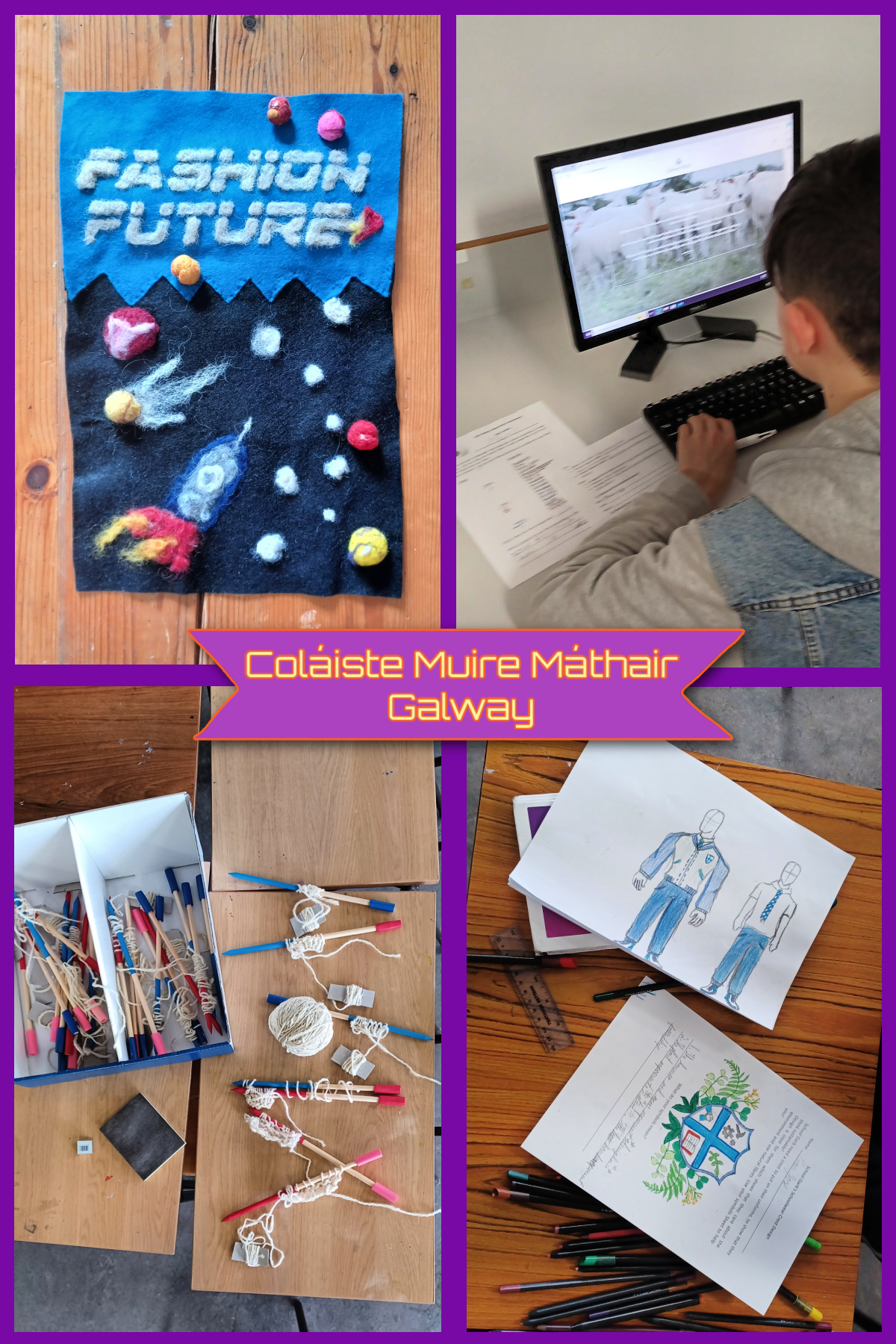
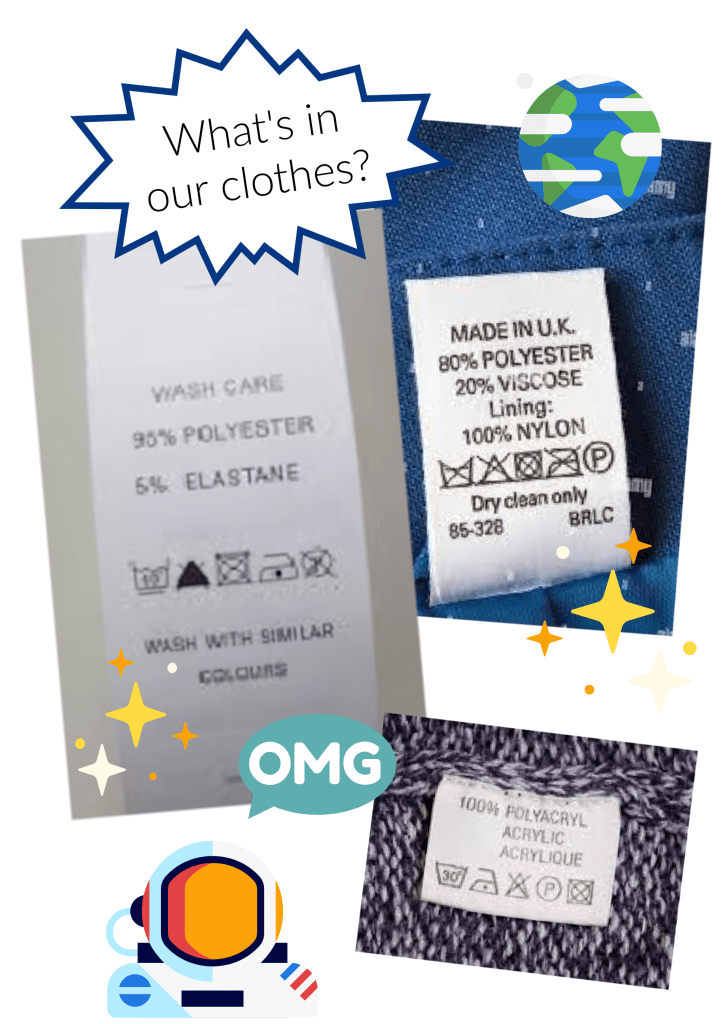
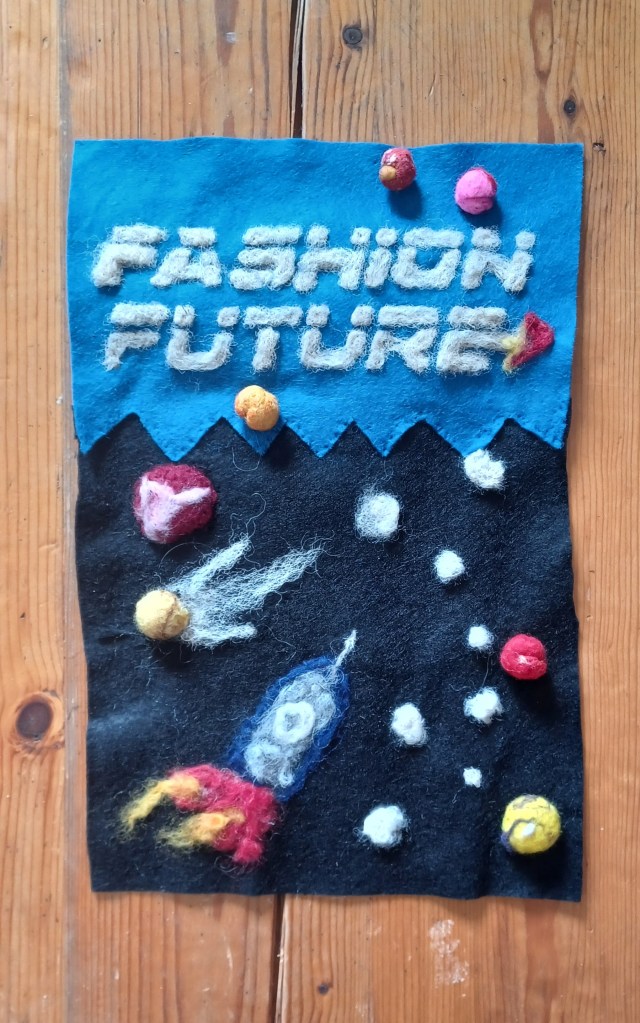
My 1st Year CSPE students at Coláiste Muire Máthair Galway (CMMG) spent the spring of 2024 working on their “Fashion Future” project. It originated from their reactions of confusion and surprise to one sentence in their course book: “The jumper you pulled on as you got ready for school could have been made with Australian wool, the school shirt sewn in a factory in Taiwan and washed with a detergent made in Germany”. When we looked at the uniform tags to determine the origin of their fabrics, their production countries and the fibre qualities which had been used, we got confused even more. We immediately decided to explore this further.
“Fashion Future” is based on the case study of Willow Weaver, who is the new manager of school wear company “School Garb”. Willow is looking for a sustainable, Irish fibre solution to replace their current production line of school uniforms, and needs the student’s help. Willow set themselves this task: Would it be possible to produce a uniform which is made from natural, Irish grown and processed fibres? What would such a uniform look and feel like, and would it be practical? Which obstacles does Willow face?
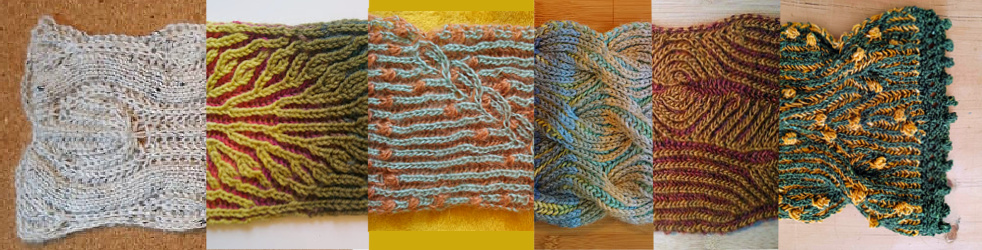
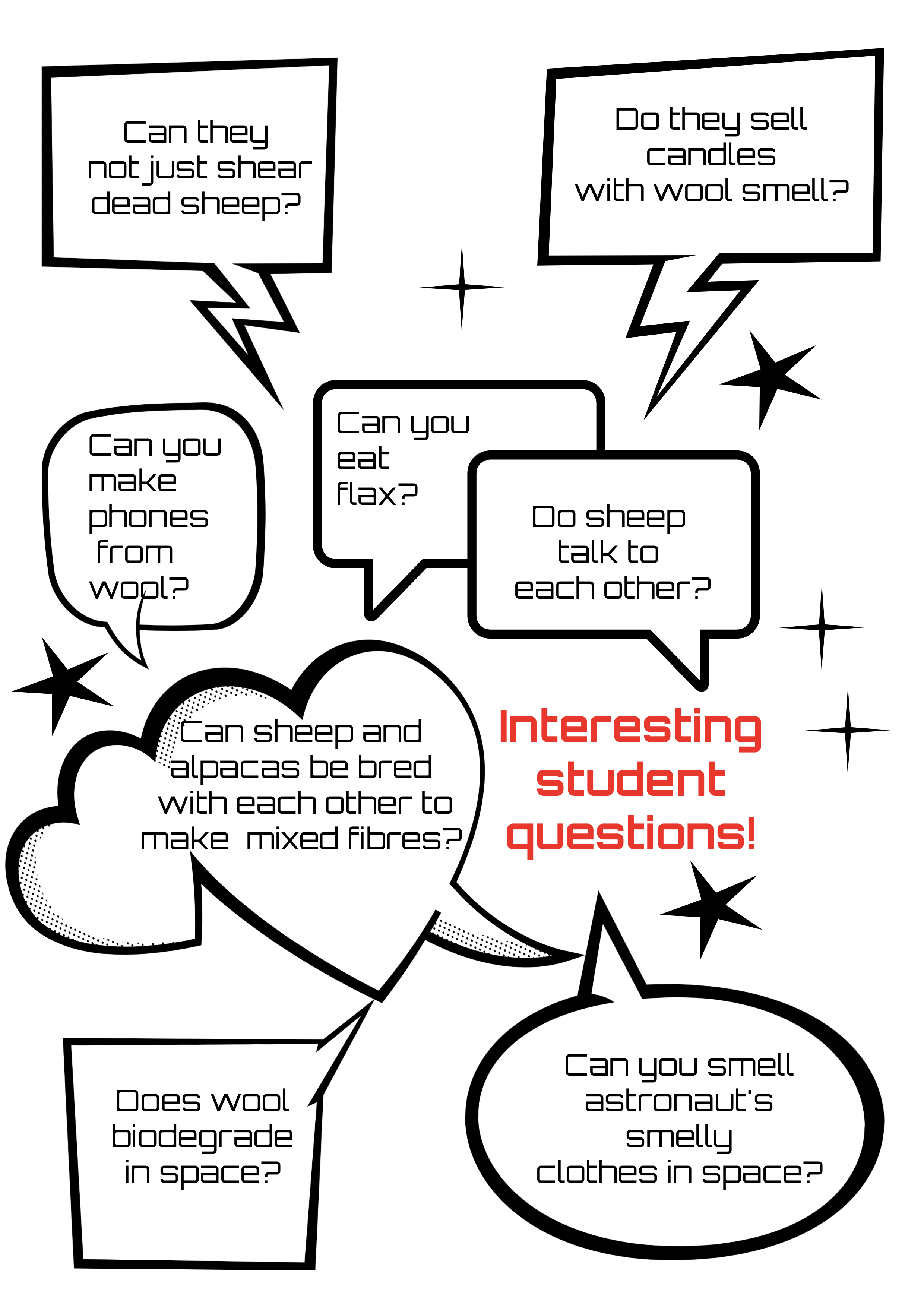
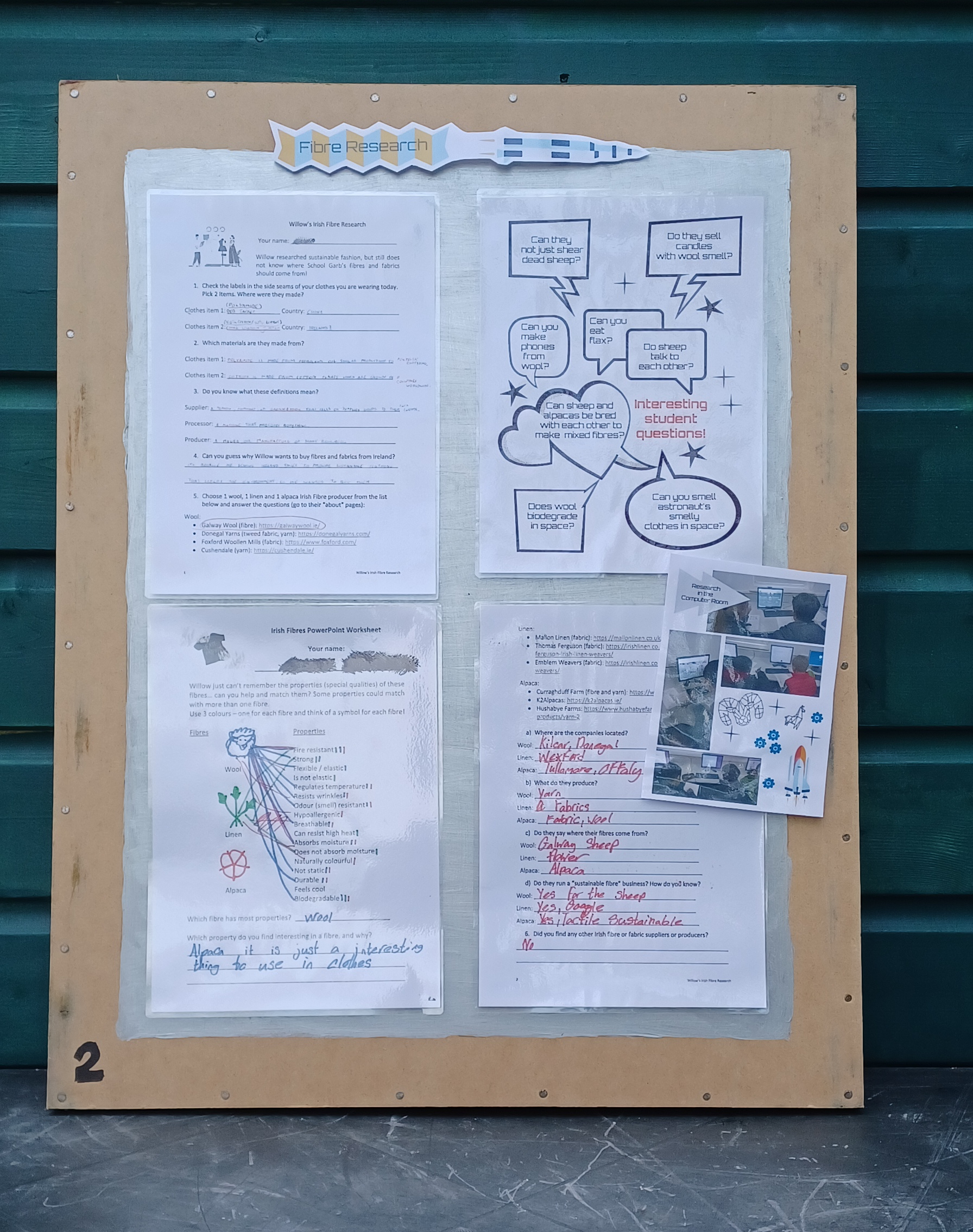
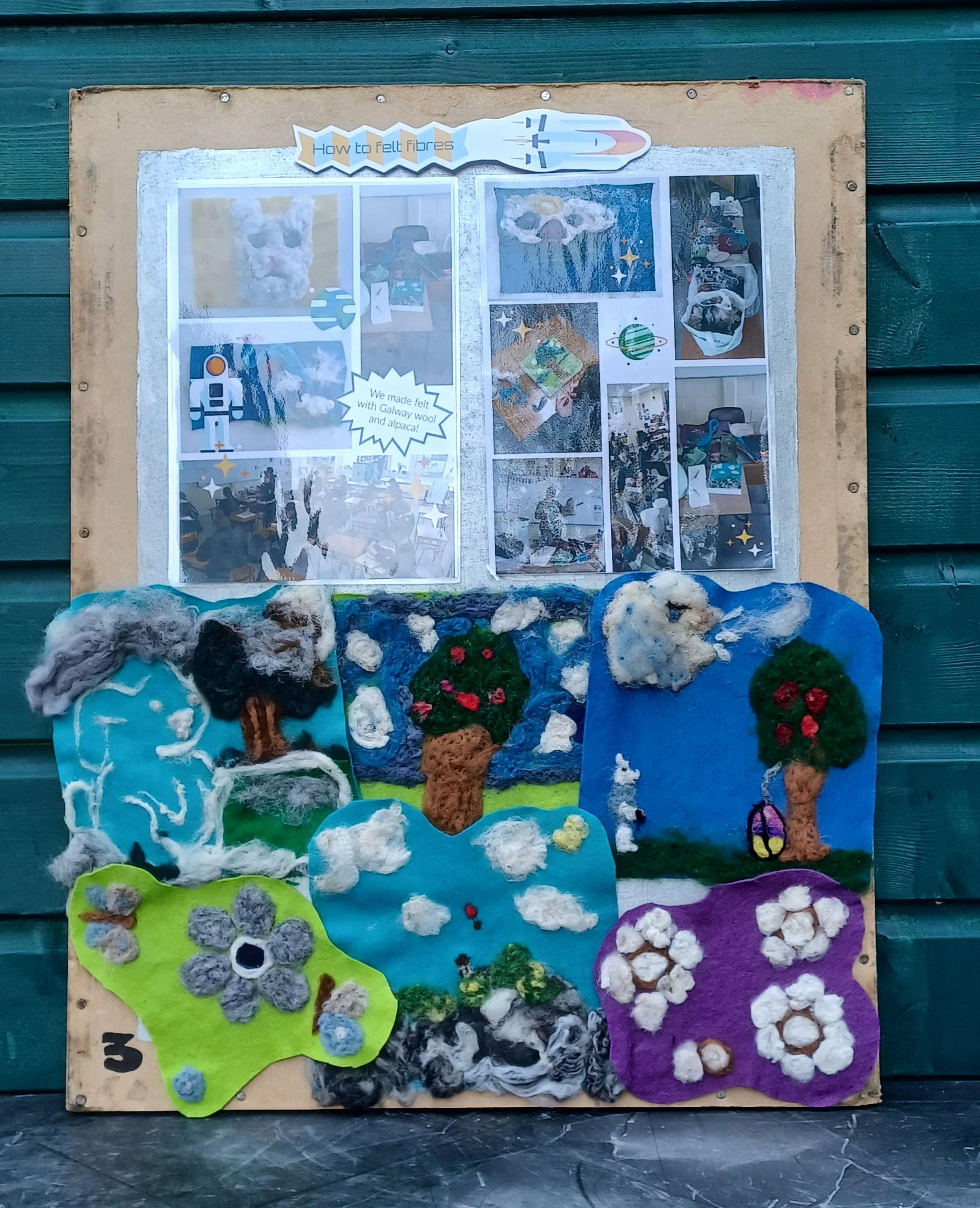
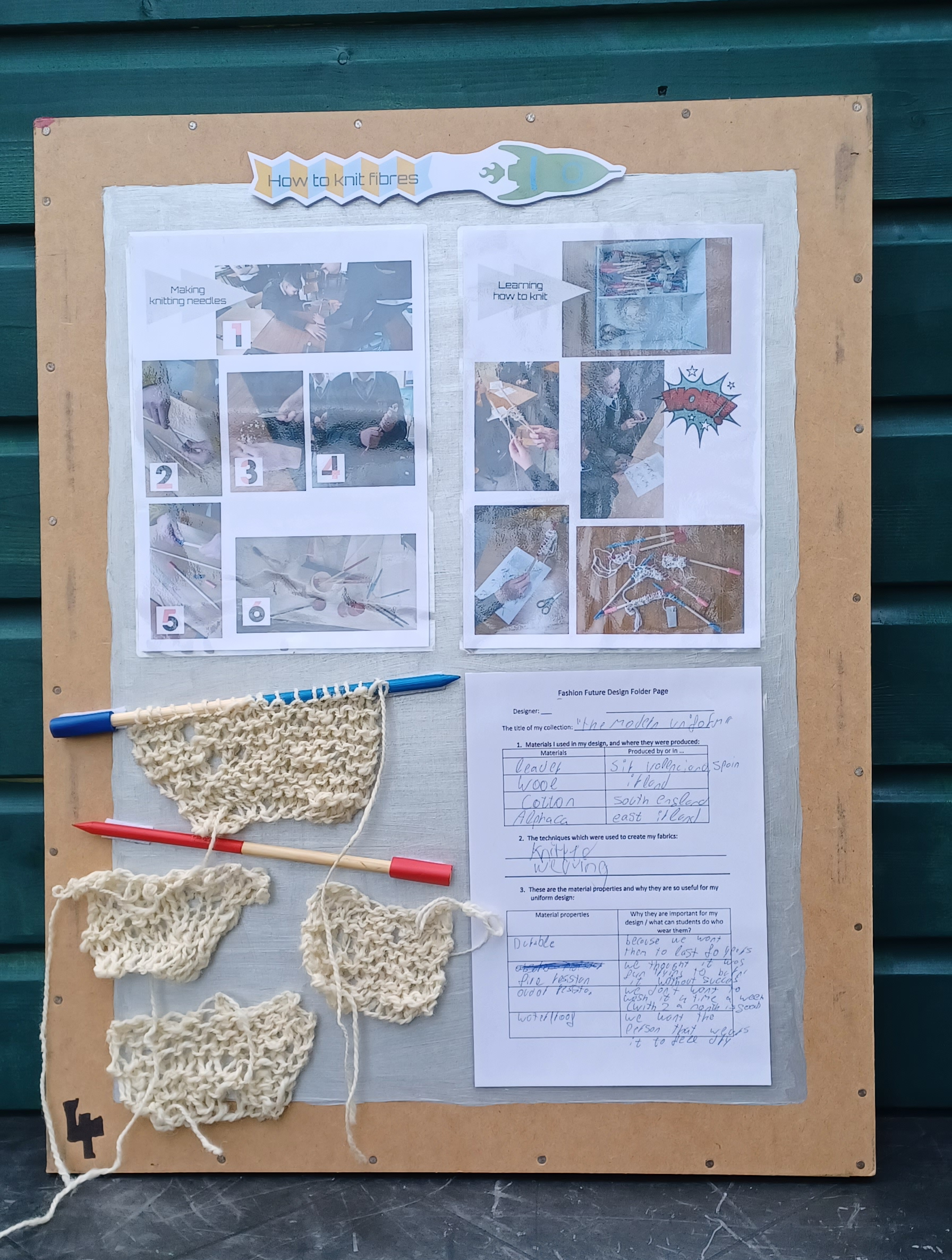
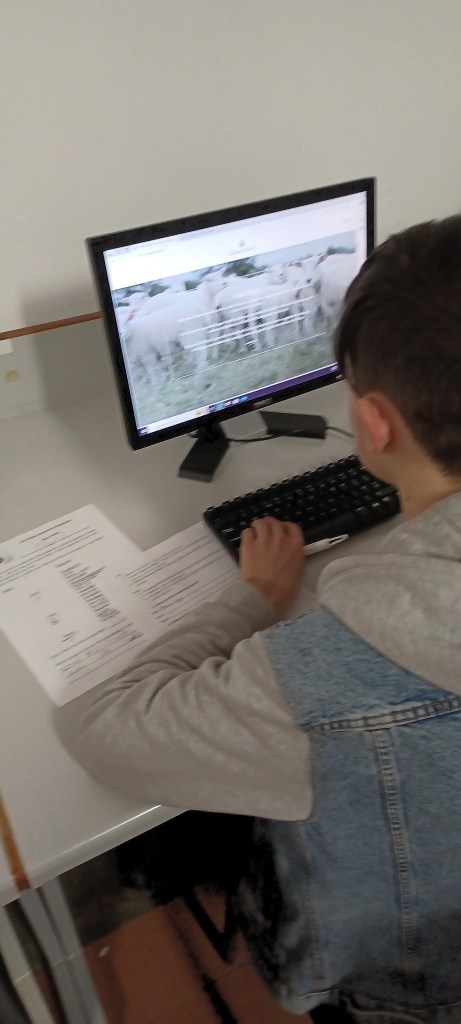
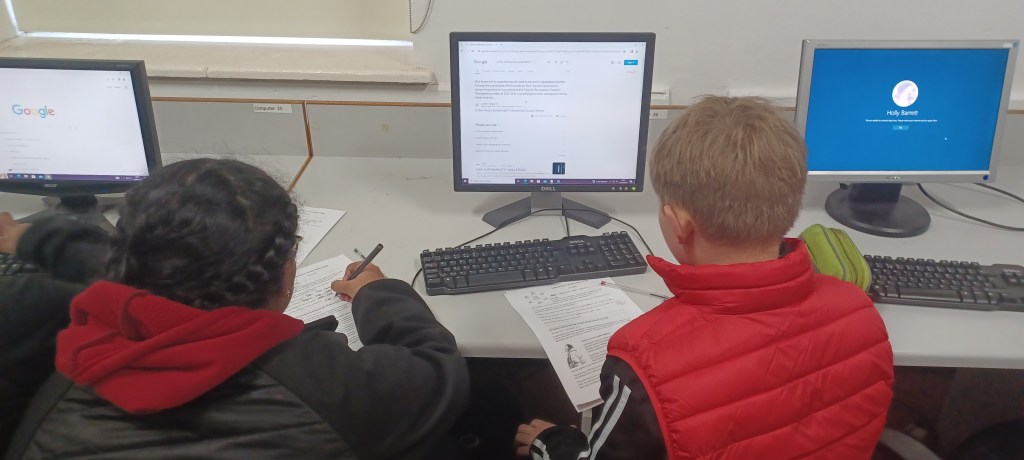
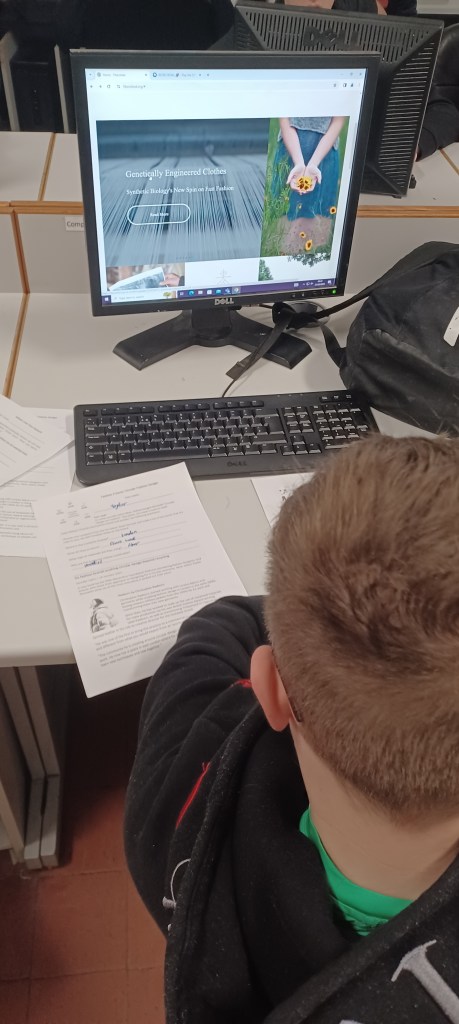
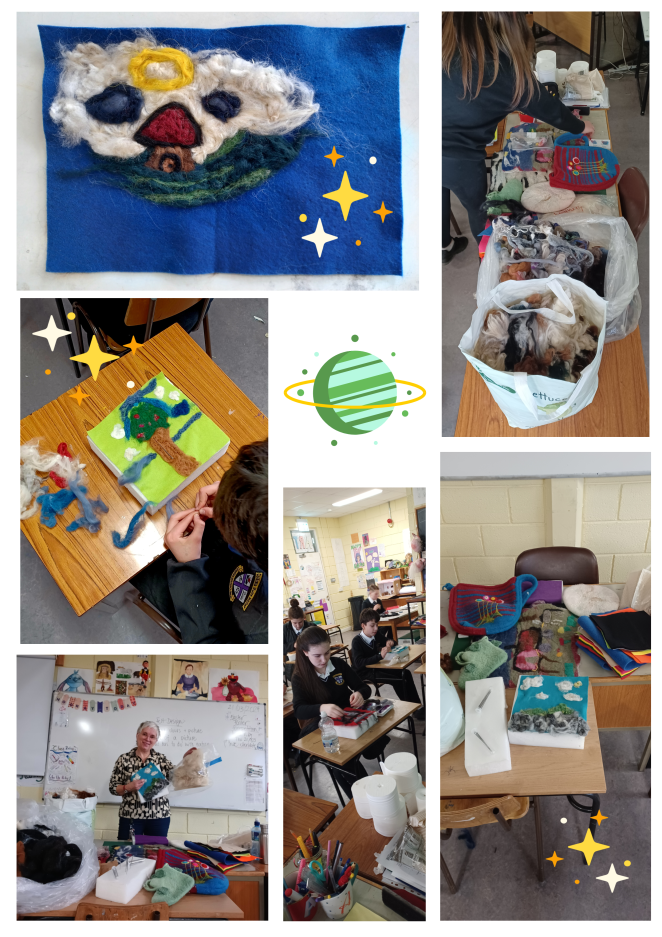
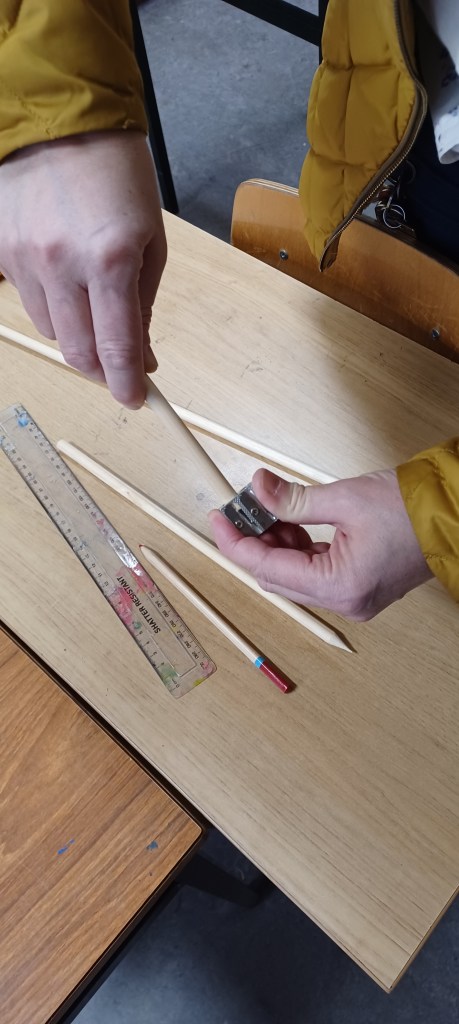
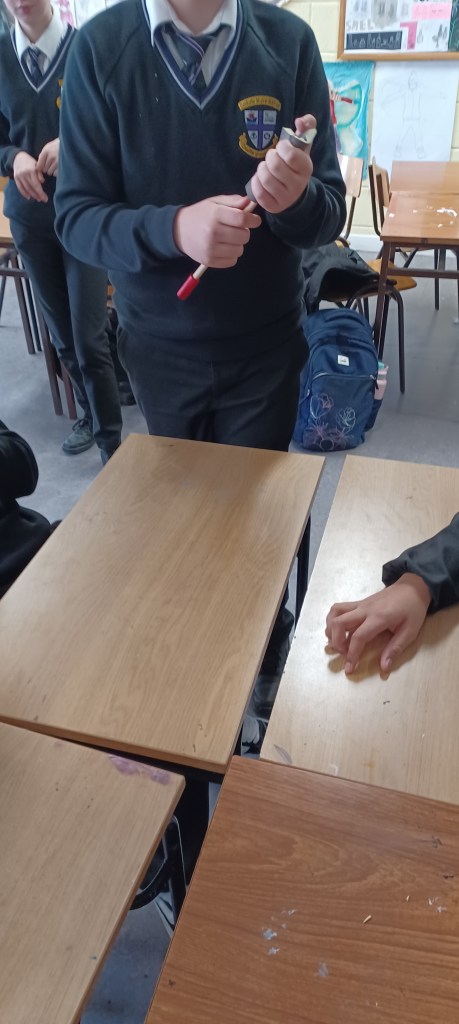
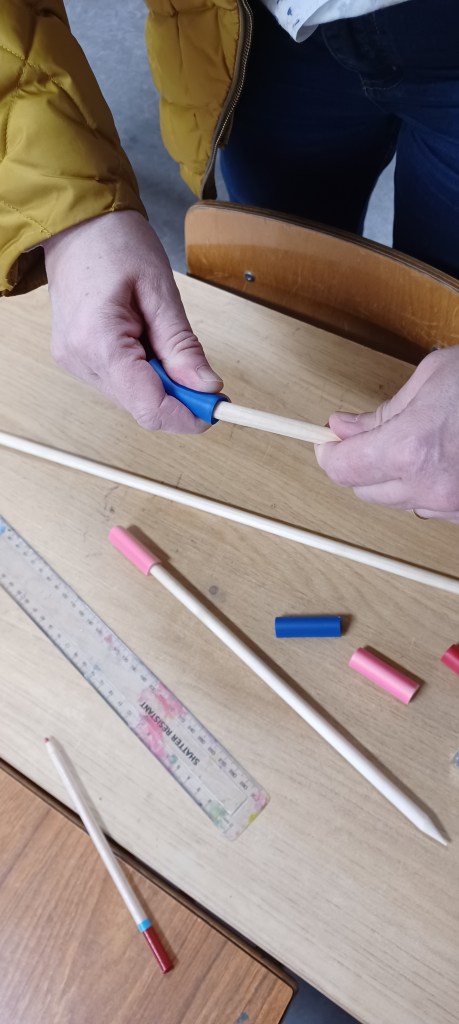
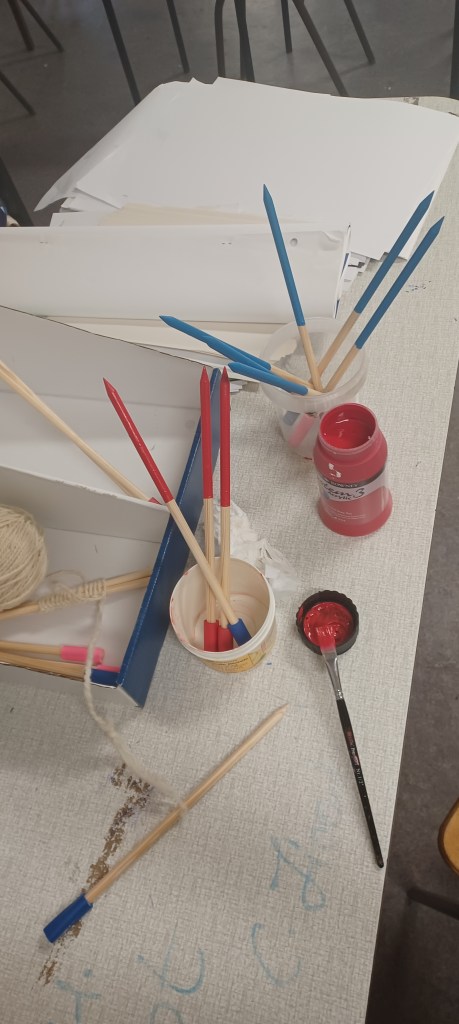
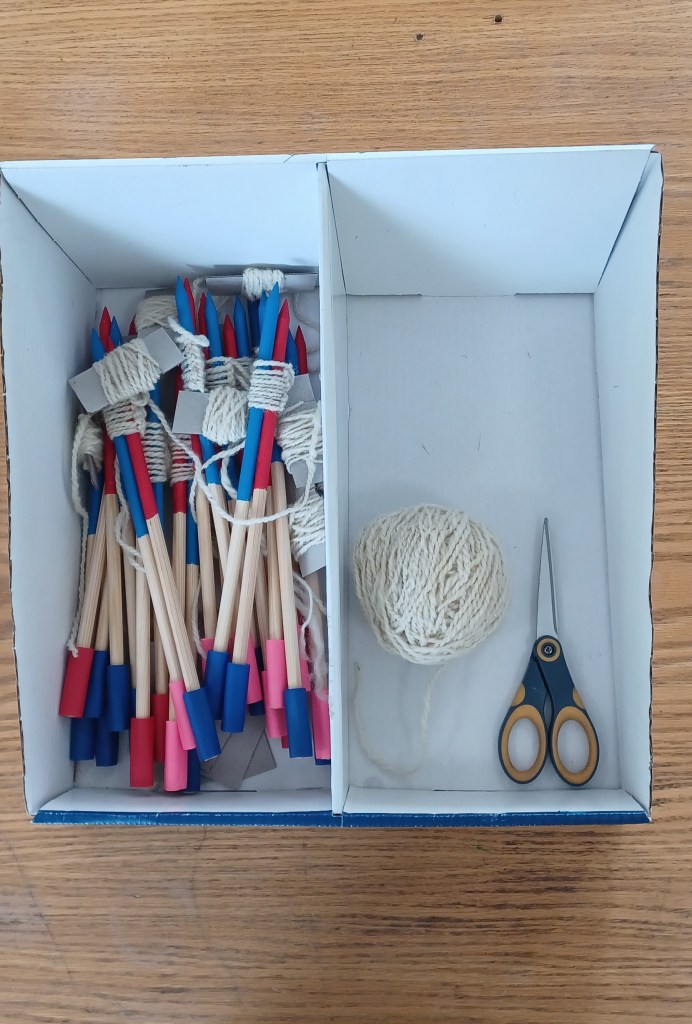
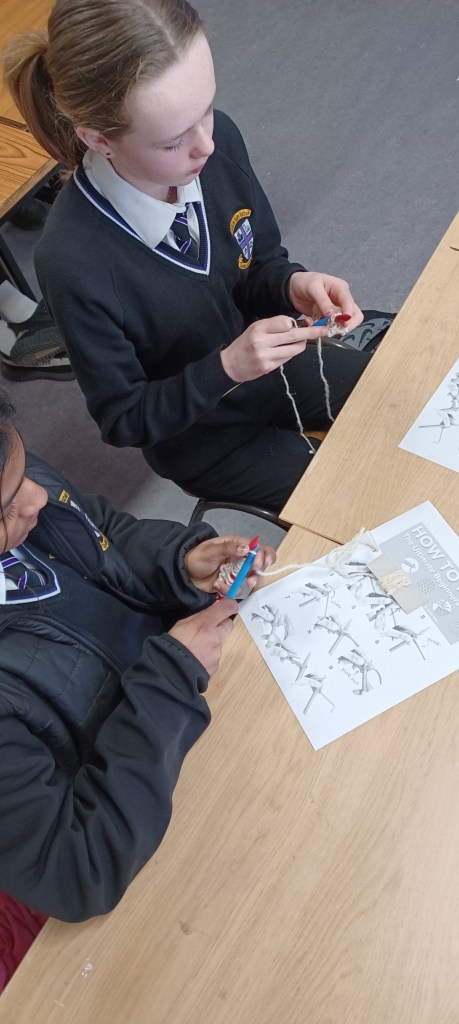
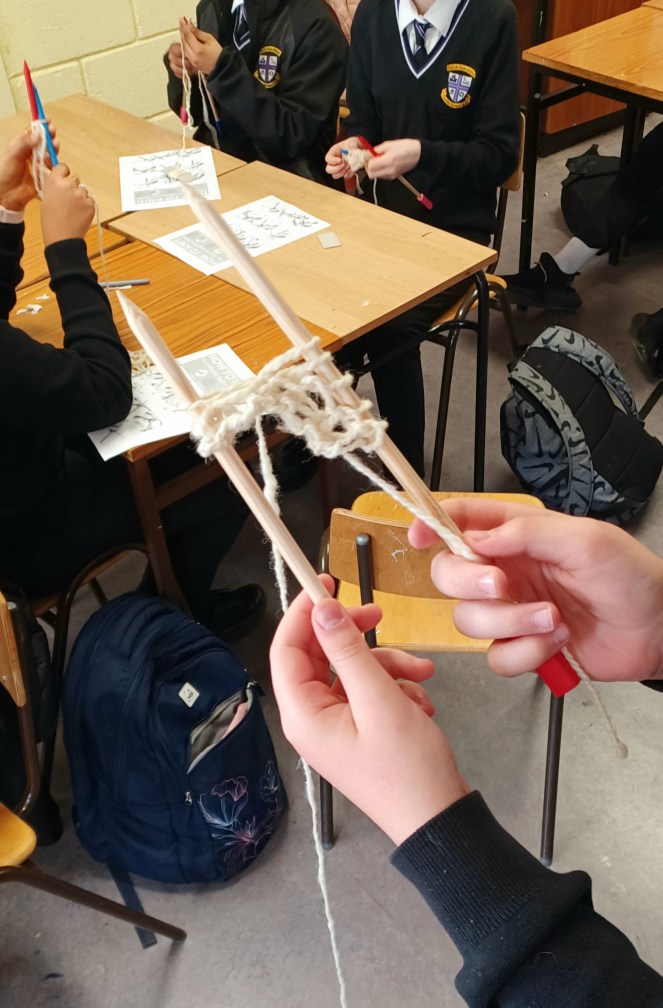
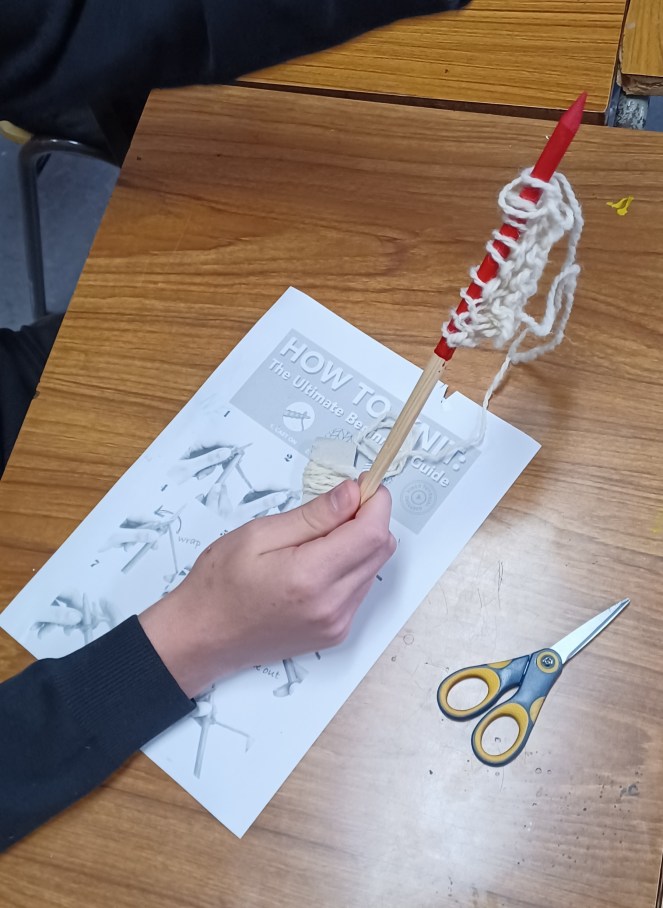
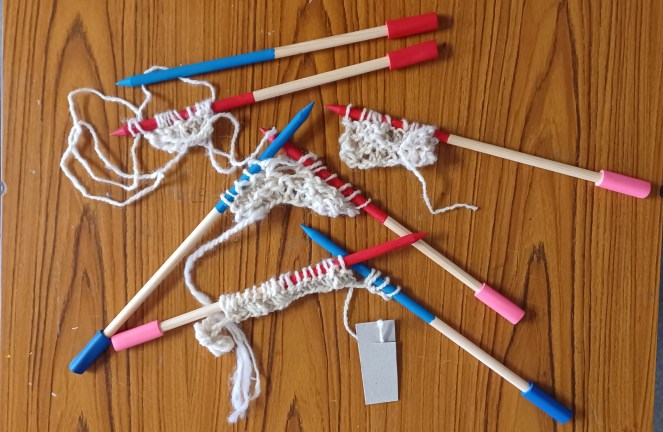
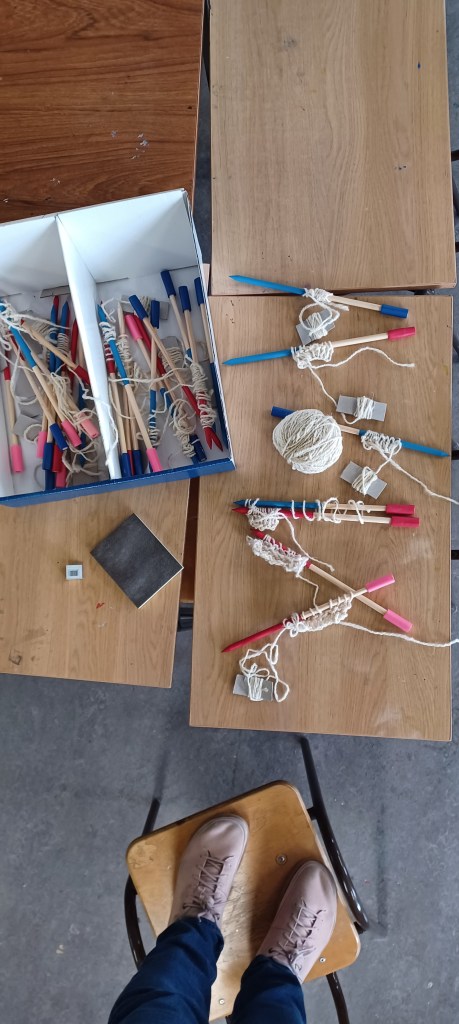
The students stepped up with great enthusiasm and determination – we all realised that our uniforms deserved a second thought. They began by investigating the origins of the fibres used in their own uniforms. The students then explored the history and impact of Fast Fashion and of themselves as consumers on their environment. They researched natural fibre sources from within the island of Ireland, their production and processing. After studying the properties of wool, flax and alpaca in detail, the students made their own knitting needles and learned how to knit, they made felt, and researched cordage and weaving.
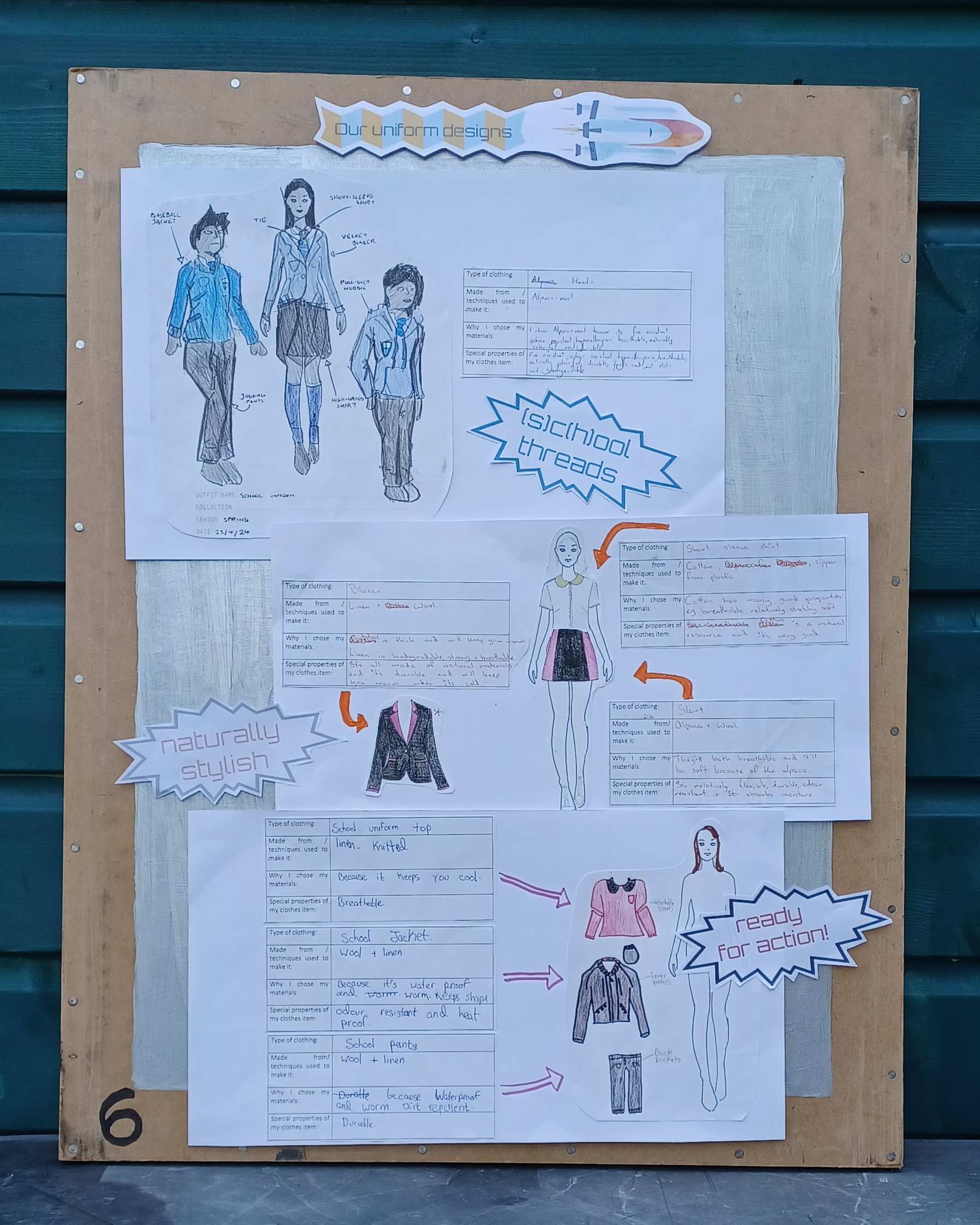
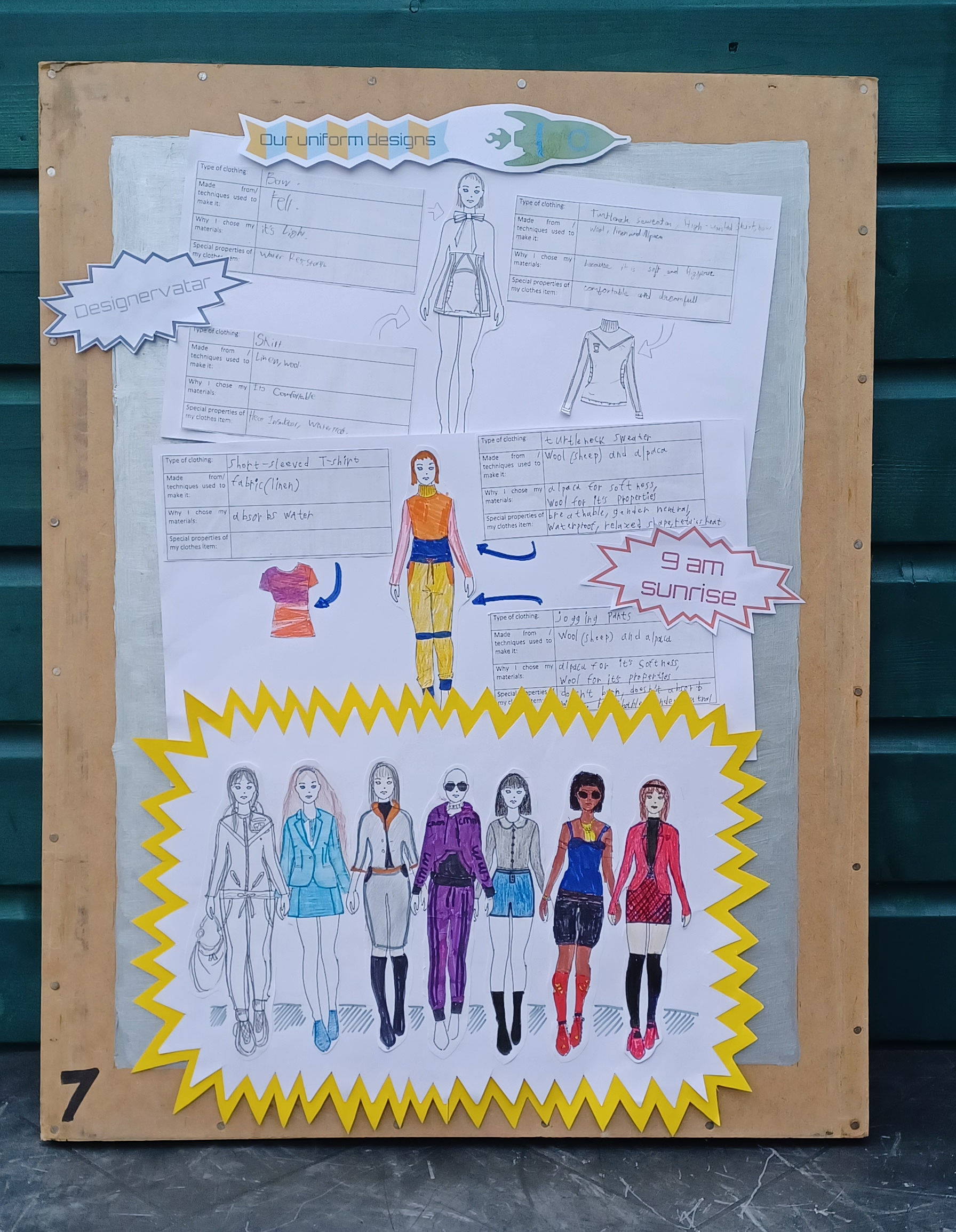
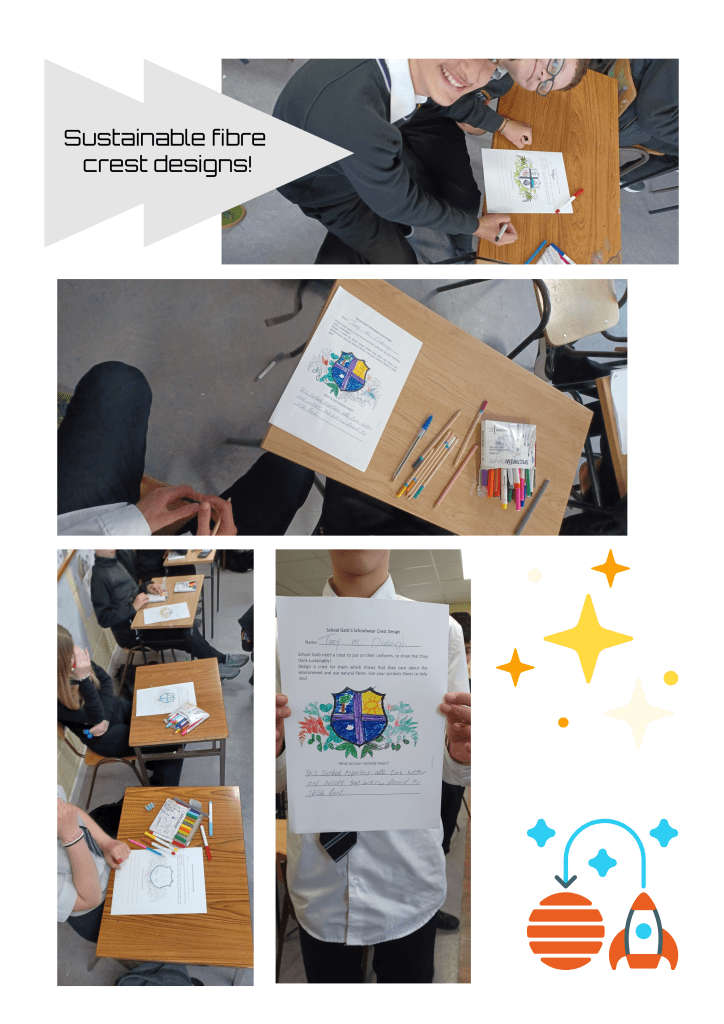
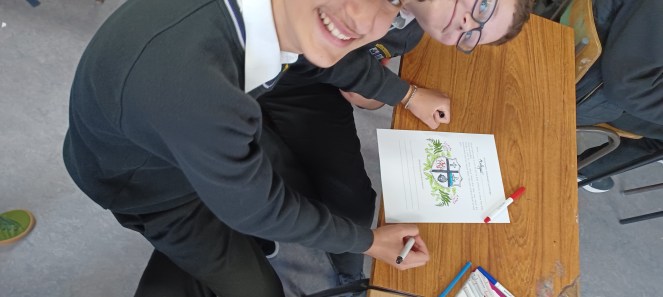
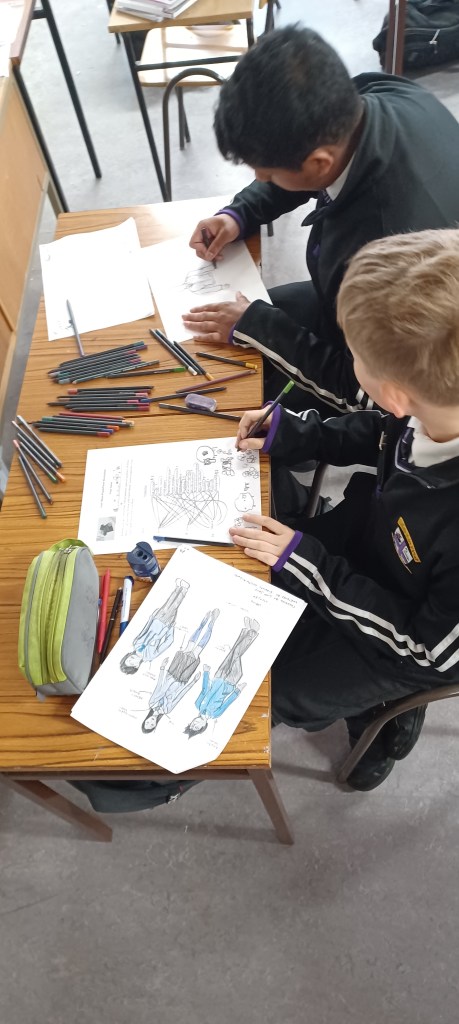
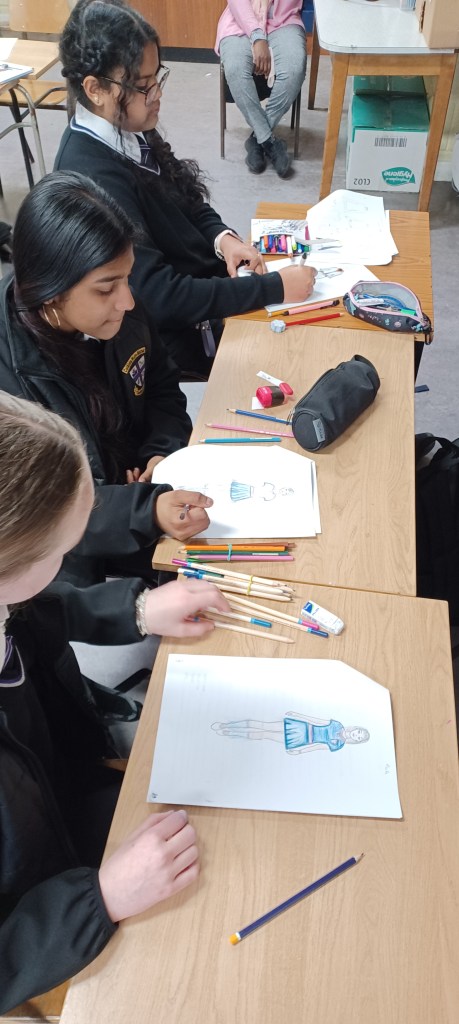
As the next step, the students decided on the fibre properties necessary for a comfortable, useful school and PE uniform and designed their own school wear made from natural fibres. To complete the process, they created sample swatches and designed crests to reflect “School Garb’s” sustainability ethos.
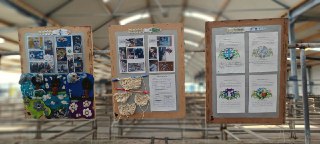
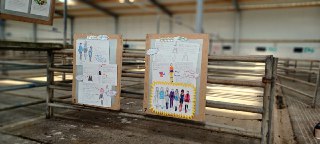
After 8 weeks of discussions, note taking and drawing, the student’s work culminated in the creation of a wide variety of amazing designs, reflecting many different fashion styles utilising the fibre’s properties, made entirely of natural Irish fibres.
Unexpectedly, our work found great recognition and interest.
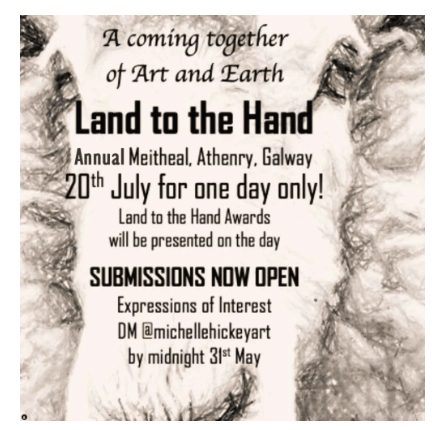
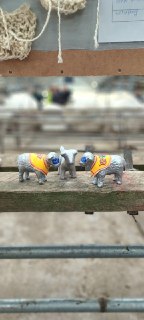
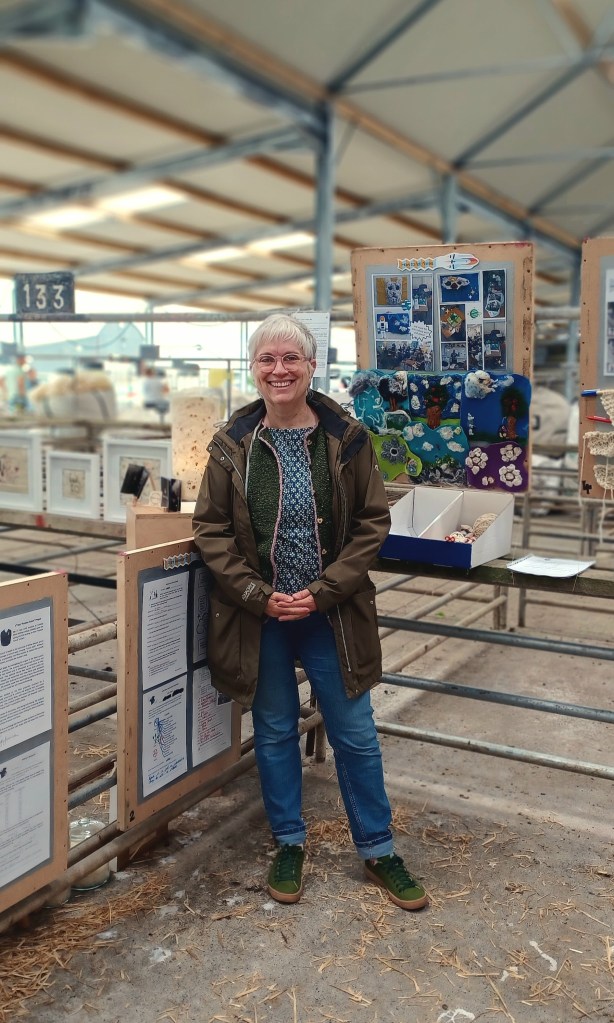
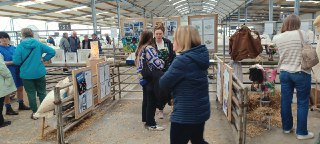
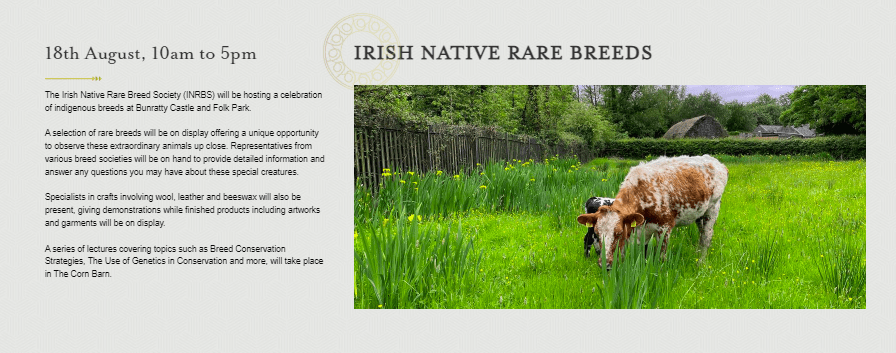
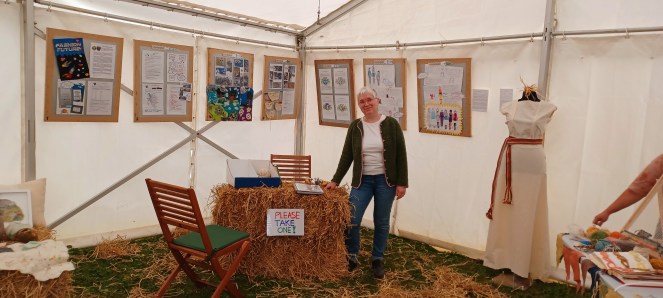
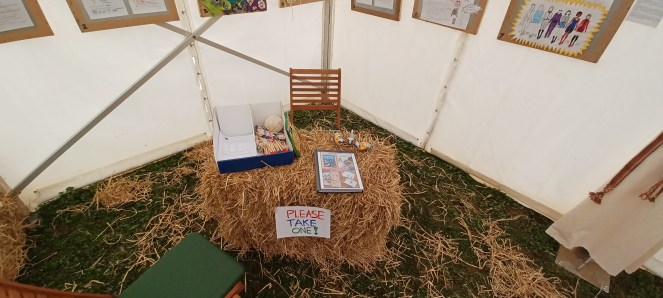
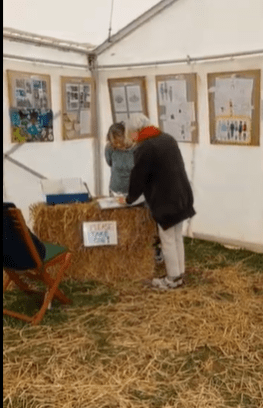
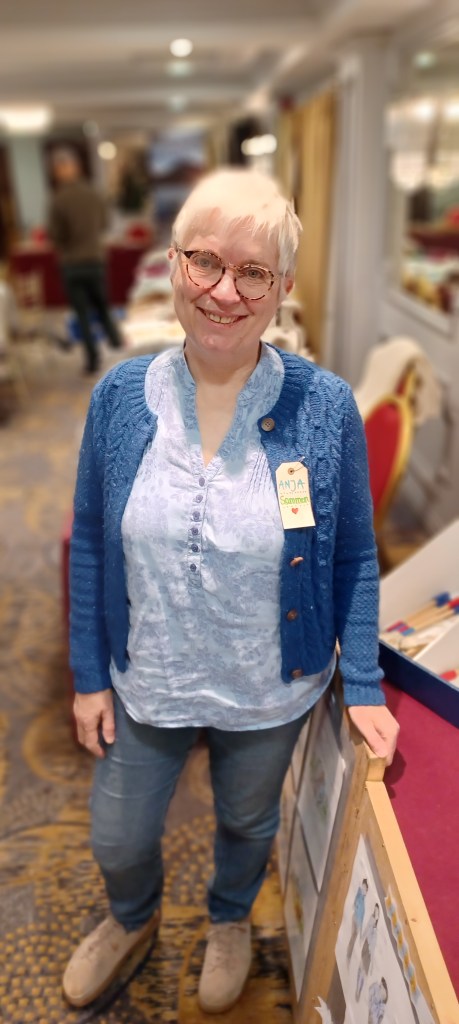
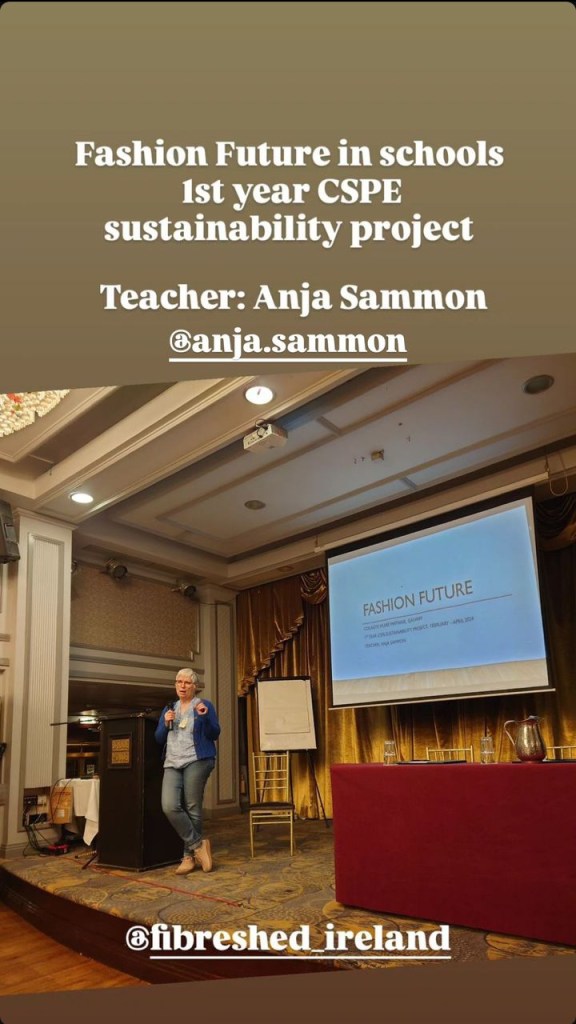
The students were invited to display their work as part of the Visual Artist Exhibition at this year’s Galway Wool Co-Op “Meitheal” (translating from the Irish to “a meeting of hands”) on the 20th of July, where their research and designs were presented to the public. They were also asked to participate in National Heritage Week and events organised by Bunratty Castle Folk Park as part of the Irish Native Rare Breeds Society activities on the 18th of August. On the 16th of November, the student’s work represented the Education Sector at the annual Fibershed Ireland Symposium entitled “Re-imagining Textiles for an Equitable Future”, where I was invited as a speaker, displayed our work, and wrote a blog post about the experience.
I was further invited to speak at the Galway University “Atlantic Futures North South Research Program” to present our project to the consortium of “Pacesetters”, an artist-led research and innovation action funded by the European Commission, which considered the project as part of their current “Real-World Laboratories” research study.
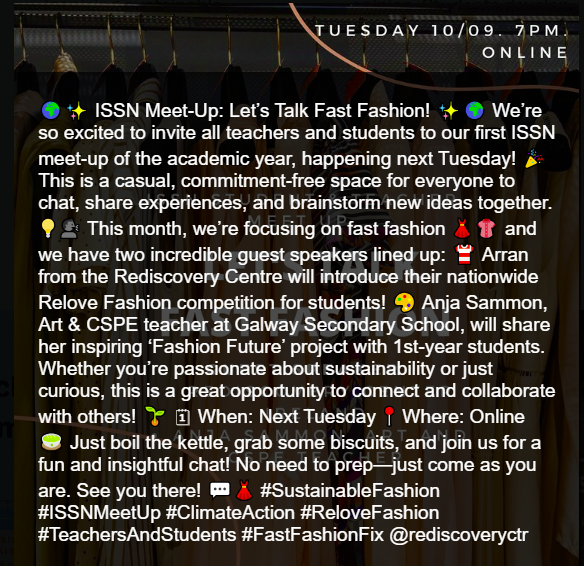
On the 10th of September, I presented our project at the Irish Schools Sustainability Network (ISSN) Teacher/Student Meet-Up on the 10th of September. Our “Irish Fibres” PDF Presentation and the accompanying worksheet can be found on the “Extra Resources List” of the ISSN Nature & Climate Summit 2024 “Fast Fashion Workshop”, to be used for free – this should fill a 60 minute class.
To conclude, I need to mention that I am enormously proud of my students. They were trailblazers in a project which has inspired many people since, taught others new crafts at our exhibitions, and made many teachers aware of the possibility to make sustainability fun. This course module is independent of any government or business initiative, program or competition, and was devised by me and my students from start to finish. Their work gained an all-around (muted!) applause from Irish CSPE teachers, looking at me from many small Zoom frames, and interested conversations from not only experts in the field, but also from parents and students from other schools. Their work was discussed on international forums and praised by local environmental stakeholders. All I could say was – you deserved it, lads!
I developed a second Sustainable Fibre project for my 2025 CSPE classes entitled “Wool Makes Sense“. If you like more information on this or other parts of our project, or if you are a teacher hoping to implement a similar project in your school, I would love to hear from you! You can contact me here.


















 Anja Sammon